By
Tom Gearing


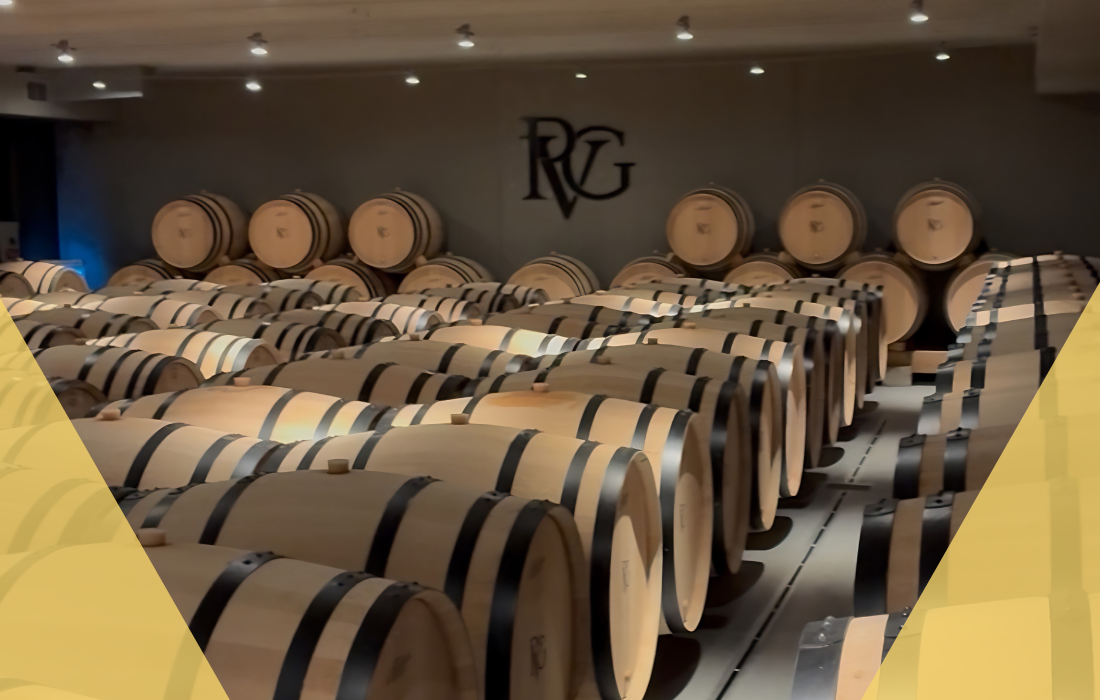
Some winemakers talk about wine. Pierre-Vincent Girardin talks about systems.
In a generation of young Burgundy talent, PVG has built a reputation for some of the most distinctive, ageable whites coming out of Meursault. The wines have a signature that's easy to recognise but hard to copy: searing acidity, a flinty reductive edge, real density on the palate, and a structural backbone that holds them up for decades. Behind that signature is a winemaking philosophy that is methodical, scientific, and quietly radical.
I spent an afternoon at the domaine tasting through the full 2024 line-up with Pierre-Vincent and his team. What follows is less a tasting note than a portrait of a winemaker thinking about wine differently from most of his neighbours.
If you had to summarise PVG in one word, it would be reduction. Everything in the cellar is engineered to maximise it.
The reasoning is simple. The more reductive the wine, the less oxidative potential it carries, and the longer it can age while retaining freshness and aromatic distinction. Reduction also brings a particular set of aromatics, that flinty, gunpowder-edged character that runs through every wine in the range, from the entry-level Éclat Calcaire to the Bâtard-Montrachet.
To get there, Pierre-Vincent runs the cellar like a closed system. Sealed tanks (no oxygen exchange), nitrogen used everywhere from tanks to tubes to pumps to barrels, and very long lees ageing, minimum two years, so the wine continues to feed itself and protect itself throughout élevage. As he put it: "I want my whites to be more tannic than my reds." When you taste the Perrières or the Poruzots, you understand exactly what he means.
The most interesting part of the process happens before any of that. Pierre-Vincent intentionally lets the must oxidise hard before barreling. The juice turns from gold to dark, looking like oil or mud. Fermentation then "cleans everything up" and the wine emerges bright and protected.
The philosophy is to front-load every problem the wine might face. As he put it: "All the bad things that could happen needs to happen first. Then the rest of the process, we have clean wine and wine that protects itself."
It's a deliberate inversion of the conventional approach, where producers protect the must from oxygen at every stage. Pierre-Vincent does the opposite: punish the must early, then protect the wine forever after. The results in the glass make a strong case for the method.

The cellar discipline runs deeper than oxygen management. Every vintage starts from what Pierre-Vincent calls a "clean, new page." 100% new oak across the range. Indigenous yeast only, no commercial cultures. No carryover bacteria or yeast populations between vintages.
The hygiene is unusual even by Burgundy standards. The cellar is spotless, deliberately maintained to prevent any cuvée from interfering with another. With around 40 different wines being made at any one time, each in tanks sized precisely to the volume of that single plot, the precision matters. One tank, one wine, no blending (with one exception, the Éclat Calcaire).
Asked where the flinty character actually comes from, Pierre-Vincent gave one of the more thoughtful answers of the visit. Three elements: the DNA of the vineyard, the soil, and the weather.
Each plot produces a different grape with different yeast and bacteria populations, which translates into different lees behaviour in the barrel. Some barrels end up with 10% lees, others 30%, and that variation drives how persistent and how pronounced the flinty character expresses in each cuvée. The Narvaux is more restrained, the Perrières waxier and more lanolin-edged, the Poruzots fuller and more savoury, but the thread of reductive aromatic complexity runs through all of them.
That's why he highlights every plot individually and avoids blending. The differences between the wines are the point.
The 2024 vintage was made for this approach. Pierre-Vincent described it as the first vintage since 2013 with that level of natural acidity and low pH. The grapes came in firm and tense, allowing for harder, longer pressing, more extraction, and more lees. Higher reductive potential, better ageing potential.
In the glass it shows. The Éclat Calcaire opens the range with searing acidity and bright yellow fruit. The Jura Le Noyer (soft fruit, sharp undercurrent), Les Sajettes (ripe, broad, concentrated) and Le Châtaignier (more linear, citrus-led) all carry the energy. The Meursault Premier Crus, Narvaux, Poruzots, and Perrières, build in weight and complexity while keeping the acid spine. The Corton-Charlemagne carries the same house signature at Grand Cru scale, and the 2023 Bâtard-Montrachet was seamless, integrated, with real power and purity.
Even the red Chassagne-Montrachet, in a portfolio dominated by whites, has a reductive, infused, almost natural style that's clearly the same hand.
Pierre-Vincent isn't standing still. He's planted Savagnin in Pommard, sitting on the top of the hill in the middle of forest, far closer in spirit to Jura than Burgundy. Because the variety isn't permitted in Burgundy appellations, it has to be labelled Vin de France, but he sees it as future-facing: vertical growth (better aeration, healthier fruit), later budding and ripening (less frost risk), and a different oxidation profile to Aligoté that fits his cellar philosophy.
Next to the winery, a "lab" vineyard runs 50 rows across five different rootstocks with multiple farming approaches trialled side by side. In the Jura, a new solera project will blend 2024 through 2027 and beyond, in a seven-year programme designed to understand how long lees stay alive and how wine evolves over very long ageing.
It all reflects the same underlying view: the climate is changing, the work is getting harder, and the answer is to understand nature rather than fight it.
A footnote worth knowing: Pierre-Vincent is known in some circles as the Emperor of Shanghai, because his initials, PVG, are also the airport code for Shanghai Pudong. The wines have a serious following in Asia, and the nickname has stuck.
But the wines speak for themselves. If you want to understand where white Burgundy is going, this is one of the addresses to follow.
This article is for informational purposes only and does not constitute financial, investment, or regulated advice. Fine wine values can fall as well as rise. Past performance is not a reliable indicator of future results. Always conduct your own research before making any investment decision.
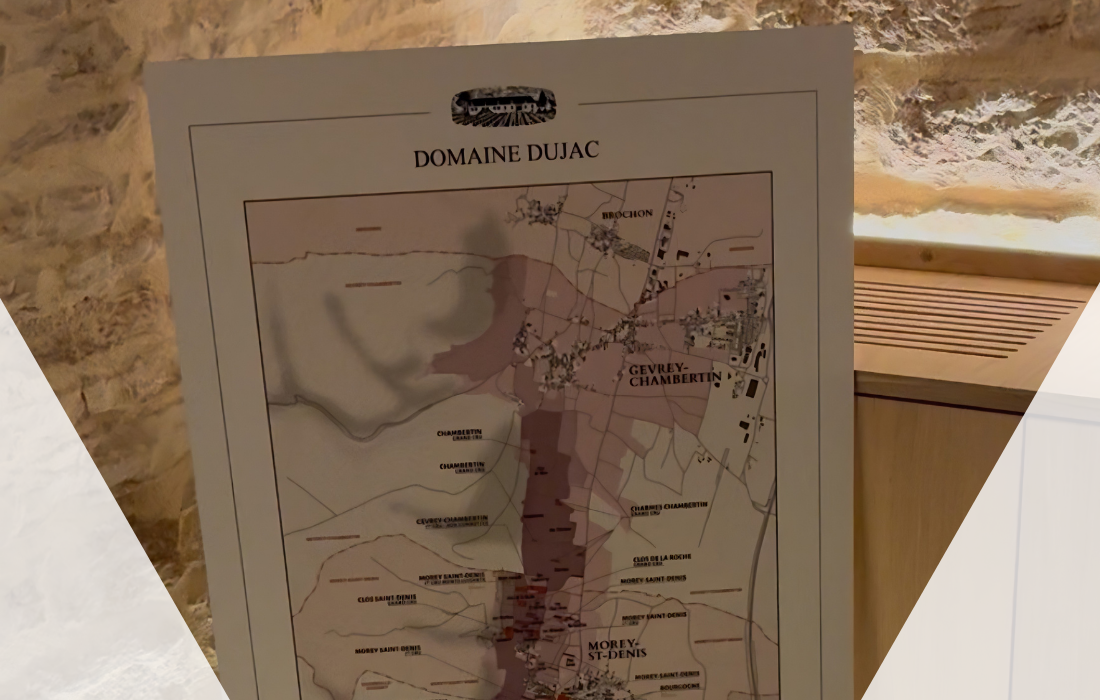
A morning in Morey-Saint-Denis with Alec Seysses, tasting the 2024s and reading a domaine through the lens it knows best: tannin, whole cluster, and quiet conviction.
Read more ➜
Discover Lafite Rothschild 2019: Perfect scores, high liquidity, undervalued with significant appreciation potential — this is a stellar investment. Start trading today with CultX.
Read more ➜
Analysis across 30 vintages, combining critic scores, trade data, and pricing trends to highlight investment opportunities in the secondary fine wine market.
Read more ➜